About Bhutan
Bhutan and its History
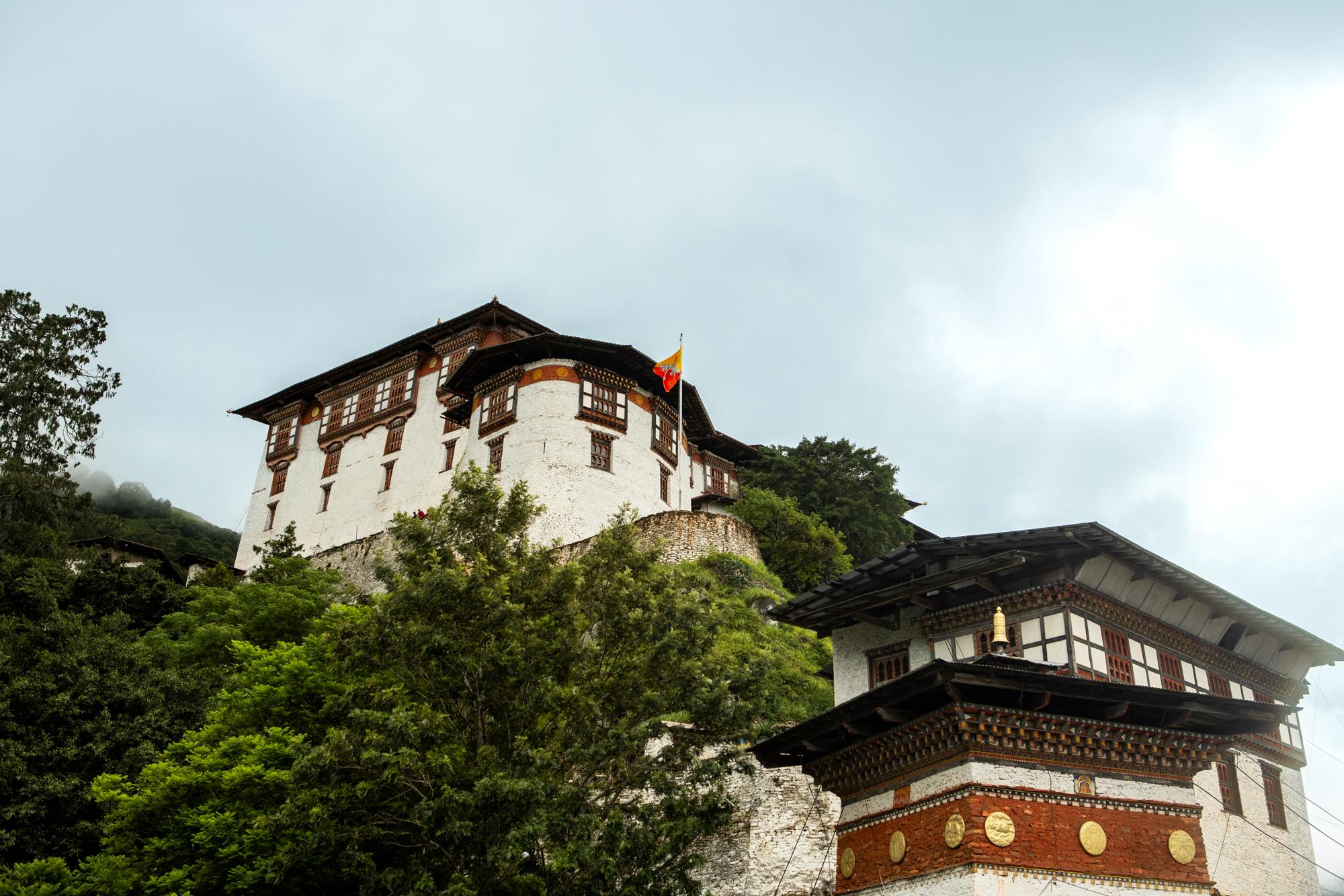
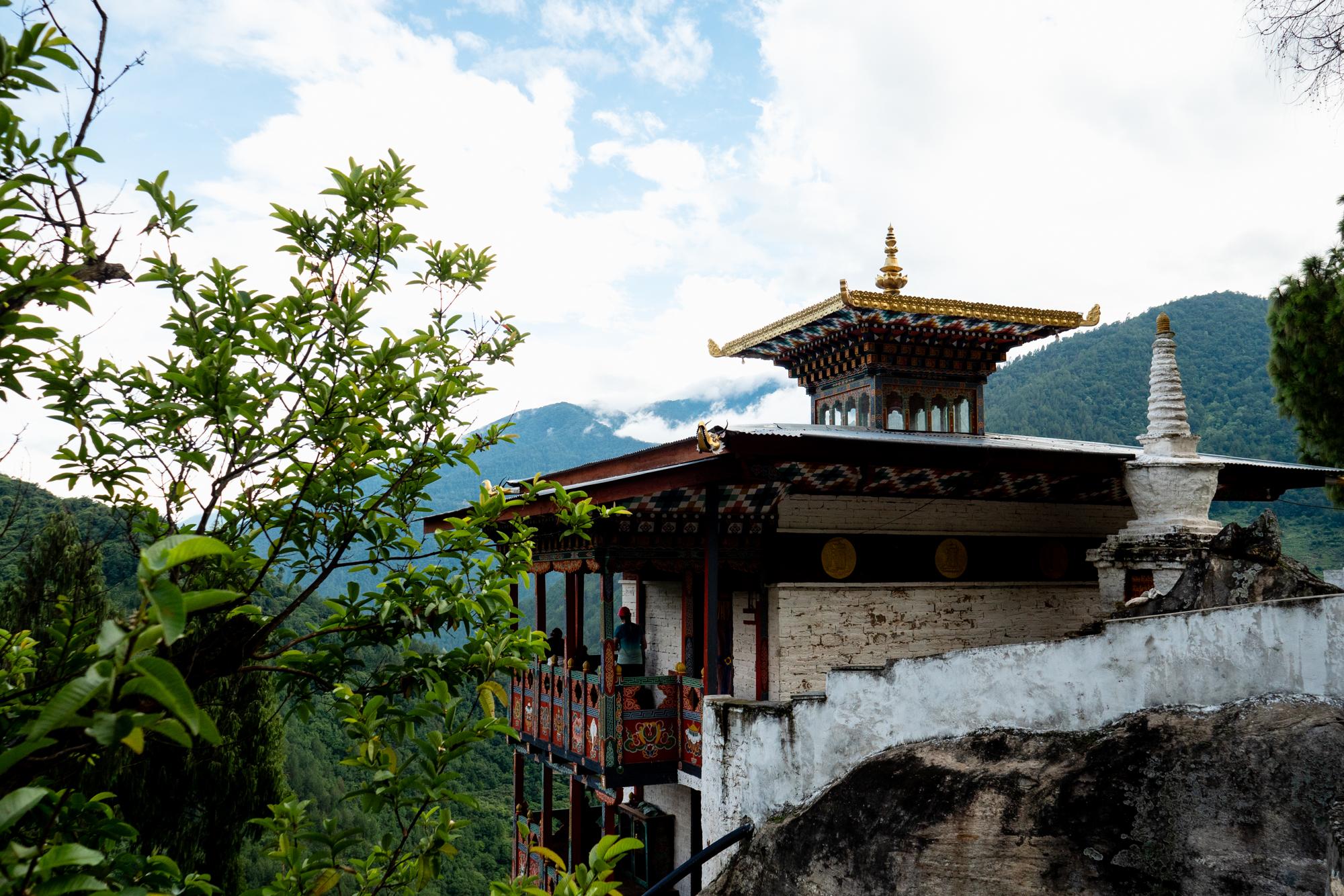
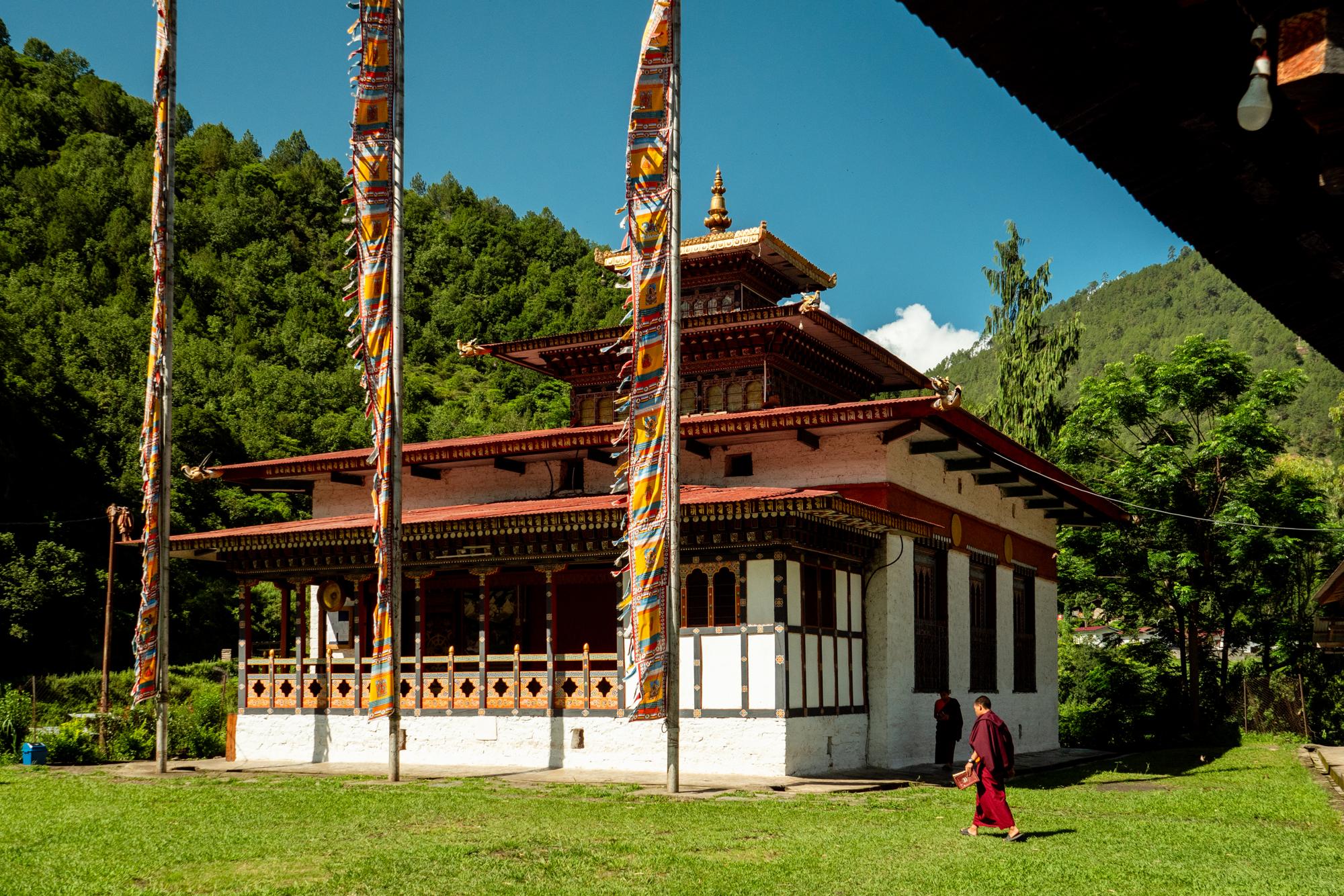
The Buddhist kingdom of Bhutan lies along the lofty ridges of the eastern Himalayas, bordered by China (Tibet) to the north and northwest, and by the Indian states of Assam, Arunachal Pradesh, West Bengal and Sikkim on the east, south and west respectively. Open for tourism in 1974, after the coronation of 4th king, His Majesty Jigme Singye Wangchuck, Bhutan is perhaps the world’s most exclusive tourist destination. The country still retains all the charm of the world, and travelers experience the full glory of this ancient land as embodied in the monistic fortresses, ancient temples and stupas which dot the countryside, prayer flags fluttering above farmhouses and on the hillsides, lush green forests, rushing glacial rivers, and perhaps most important of all the warm smiles and genuine friendliness of the people. The history of Bhutan dates back to 8th century, with Guru Padmasambhava’s legendary flight from Tibet to Bhutan in 747 AD on the back of tigress. The country was unified under the Drukpa Kagyupa sect of Mahayana Buddhism in the early 17 the century, by the religious figure, Shabdrung Ngawang Namgyal. At the end of the 19th century, the Trongsa Penlop. Sir Ugyen Wangchuck, who then controlled the central and eastern regions, overcome all his rivals and united the nation as one. In 1907, Ugyen Wangchuck was unanimously accepted as king, and a hereditary monarchy system was unanimously agreed for Bhutan. In 2006 the 4th king stepped down as head of the state and handed over this function to a prime minister assisted by a cabinet of ministers. In 2008, Bhutan held its first parliamentary elections, making a new era in the political history of Bhutan. As part of the move towards democracy, the 4th king handed over his responsibilities to his son king Jigme Khesar Namgyal Wangchuck in 2006.The 5th king’s formal coronation took place in 2008. In the same year as the first election and also the year that marked the centenary of the kingdom.
- Capital:Thimphu
- Population: 7,50,000
- National language: Dzongkha
- Currency: Ngultrum (Nu), where 1 USD is about Nu 82.86
- Country code: +975
- National sport: Archery
- National Dress: Men (Gho) Women (kira)
Facts & Figures
Festival Calendar 2026
| Festival Name | Town | Start Date | End Date |
|---|---|---|---|
| Lhamoi Dromchhen | Trongsa | Feb 22, 2026 | Feb 24, 2026 |
| Punakha Dromchoe | Punakha | Feb 24, 2026 | Feb 26, 2026 |
| Punakha Tshechu | Punakha | Feb 27, 2026 | Feb 28, 2026 |
| Tharpaling Thongdrol | Bumthang | Mar 03, 2026 | - |
| Tangsibi Mani | Bumthang | Mar 05, 2026 | Mar 06, 2026 |
| Chhorten Kora | Trashi Yangtse | Mar 05, 2026 | Mar 19, 2026 |
| Gomphukora | Trashi Yangtse | Mar 26, 2026 | Mar 28, 2026 |
| Talo Tshechu | Punakha | Mar 26, 2026 | Mar 28, 2026 |
| Zhemgang Tshechu | Zhemgang | Mar 26, 2026 | Mar 28, 2026 |
| Gasa Tshechu | Gasa | Mar 26, 2026 | Mar 28, 2026 |
| Paro Tshechu | Paro | Mar 29, 2026 | Apr 02, 2026 |
| Rhododendron Festival | Thimphu | Apr 13, 2026 | Apr 14, 2026 |
| Domkhar Tshechu | Bumthang | Apr 26, 2026 | Apr 28, 2026 |
| Ura Yakchoe Festival | Bumthang | Apr 28, 2026 | May 02, 2026 |
| Nimalung Tshechu | Bumthang | Jun 22, 2026 | Jun 24, 2026 |
| Kurjey Tshechu | Bumthang | Jun 24, 2026 | - |
| Tour of the Dragon (Mountain Bike Race) | Bumthang | Sep 05, 2026 | - |
| Thimphu Drubchen | Thimphu | Sep 17, 2026 | - |
| Wangdue Tshechu | Wangdue Phodrang | Sep 19, 2026 | Sep 21, 2026 |
| Haa Tshechu | Haa Valley | Sep 19, 2026 | Sep 21, 2026 |
| Thimphu Tshechu | Thimphu | Sep 21, 2026 | Sep 23, 2026 |
| Tamshing Phala Chhoepa | Bumthang | Sep 21, 2026 | Sep 23, 2026 |
| Gangtey Tshechu | Wangdue Phodrang | Sep 24, 2026 | Sep 26, 2026 |
| Thangbi Mewang | Bumthang | Sep 26, 2026 | Sep 27, 2026 |
| Jhomolhari Mountain Festival | Thimphu | Oct 14, 2026 | Oct 15, 2026 |
| Pemagatshel Tshechu | Pemagatshel | Oct 18, 2026 | Oct 21, 2026 |
| Jakar Tshechu | Bumthang | Oct 18, 2026 | Oct 21, 2026 |
| Chhukha Tshechu | Chukha | Oct 19, 2026 | Oct 21, 2026 |
| Dechenphu Tshechu | Thimphu | Oct 21, 2026 | - |
| Royal Highland Festival | Gasa | Oct 23, 2026 | Oct 24, 2026 |
| Jambay Lhakhang Drup | Bumthang | Oct 26, 2026 | Oct 29, 2026 |
| Traakar Duchhoed | Bumthang | Oct 27, 2026 | Oct 29, 2026 |
| Black Necked Crane Festival | Wangdue Phodrang | Nov 11, 2026 | - |
| Goenpai Drupchen | Trongsa | Nov 14, 2026 | Nov 16, 2026 |
| Phuntsholing Tshechu | Chukha | Nov 17, 2026 | Nov 19, 2026 |
| Mongar Tshechu | Mongar | Nov 17, 2026 | Nov 19, 2026 |
| Trashigang Tshechu | Trashigang | Nov 18, 2026 | Nov 20, 2026 |
| Jambay Lhakhang Singye Cham | Bumthang | Nov 24, 2026 | - |
| Nalakhar Tshechu | Bumthang | Nov 24, 2026 | Nov 26, 2026 |
| Druk Wangyel Tshechu | Thimphu | Dec 13, 2026 | - |
| Trongsa Tshechu | Trongsa | Dec 17, 2026 | Dec 21, 2026 |
| Lhuentse Tshechu | Lhuentse | Dec 17, 2026 | Dec 21, 2026 |
| Samdrupjongkhar Tshechu | Samdrup Jongkhar | Dec 22, 2026 | Dec 24, 2026 |
| Nabji Lhakhang Drup | Trongsa | Dec 22, 2026 | Dec 26, 2026 |